The ending of the COVID National emergency in May which means the US will no longer distribute free COVID-19 vaccines has confused people at the same time they are trying to gauge when they should get their next shot. I will try to clarify the status of the different vaccines and what value they currently provide.
First and foremost, almost everyone should wait until the fall to be revaccinated for COVID. At that time, the new versions of the vaccines will be available that better reflect the viruses we are now facing. Only individuals who have significant problems with their immune system should be considering COVID vaccination at the present time.
If you have not been vaccinated and not been infected yet (a vary rare population) you need to be vaccinated with two doses of one of the available COVID-19 vaccines.
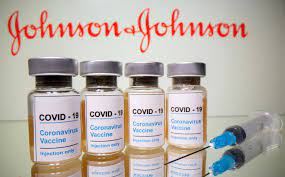
The status of the Johnson and Johnson COVID-19 vaccine is easy to explain. This was a single dose vaccine based on a human adenovirus that provided immunity to spike protein. It fell out of favor because the single dose provided inferior protection compared to multidose vaccines, and there were very rare but dangerous side effects involving blood clots and Guillain Barre syndrome. This vaccine has now been withdrawn from the U.S. market and its approval revoked by the FDA. Therefore, it is no longer available to anyone.
The mRNA vaccines from both Moderna and Pfizer have gone through several changes. Both current vaccines that are available are bivalent, meaning they have antigens from two types of COVID viruses produced by their genetic material. While neither vaccine contains the genetic material for the most common coronaviruses currently infecting people in the United States, these vaccines are still recommended to be given now to individuals with immune problems. They also can be used in unvaccinated individuals as a first vaccine series
The Novavax COVID-19 vaccine is a monovalent (one corona virus type) protein vaccine that uses an inflammatory compound called an adjuvant to help induce immune protection. It uses COVID spike protein made in insect cells. While it is currently available and offers an option for individuals who do not want to take a mRNA vaccine, it is reportedly going to be updated for the fall. Therefore, unless an individual has never been vaccinated, they should wait until the new version of Novavax arrives in the fall.
The biggest issue for anyone who needs COVID vaccine right now may be the fact that the government is no longer paying for it since the COVID public health emergency ended in May. This means that individuals have to obtain insurance approval to get the vaccine reimbursed. The good news is this is rarely an issue with private or government insurance.
 Pandemic Pondering
Thanks for the update and your input. I’m unclear about what would be considered a serious immune system impairment for the purpose of the optional booster. Would you consider age (over 65) alone to be a significant immune system problem? What about hypertension or history of stroke?
>
LikeLike
no. Cancer or defined immune problem by doctor are major issues.
LikeLike
Thank you, Jim.
LikeLike